
No Monopoly Left: How Drone Warfare Escaped Its Architects
- Africa,
- Central Africa,
- EU and strategic partners,
- EU strategy and foreign policy,
- European defence / NATO,
- Other African regions,
- Sahel,
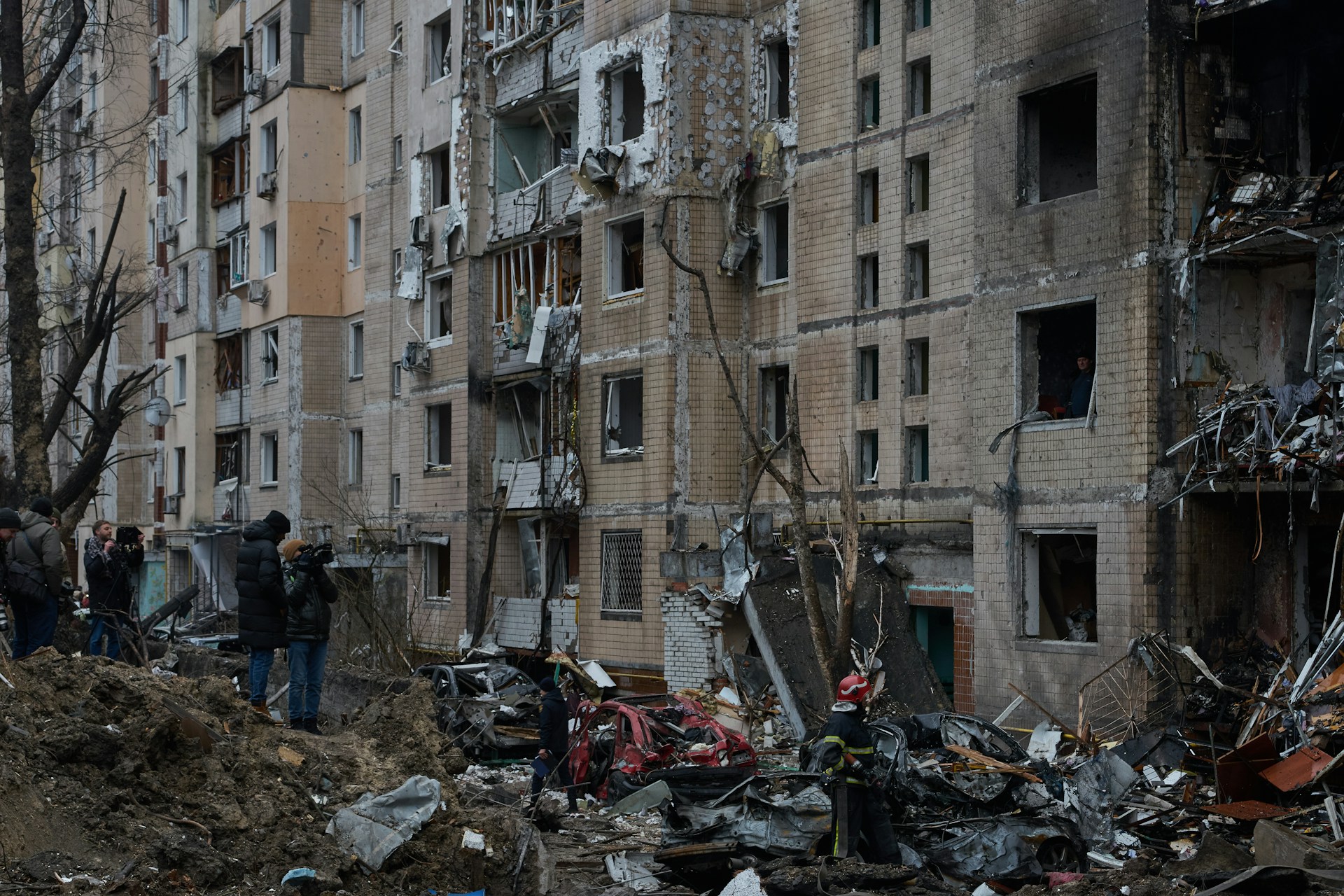
Something is becoming impossible to ignore: wherever you look today – the skies above eastern Ukraine, the Persian Gulf, the plains of Burkina Faso – drones are reshaping the logic of conflict. A technology that states in the Global North once claimed as their own exclusive, controlled, and supposedly “light” instrument of war has proliferated so fast, and in so many directions, that the comfortable assumptions that underpinned two decades of remote warfare doctrine are disintegrating.
Remote warfare means fighting at a distance – substituting boots on the ground for drones, proxies, and partner forces, and projecting violence while remaining insulated from its consequences. It became the dominant Western military mode after Iraq and Afghanistan: intervening without the political cost of body bags, keeping the footprint light, the cost low, and the operator safe. That calculus still drives states reaching for drones over boots on the ground. But the proliferation of cheap unmanned systems to non-state actors, and their mass adoption by states that previously had no access to this technology, has transformed remote warfare from a Western strategic advantage into a shared grammar of violence – one that its architects never intended to create.
CLICK “VIEW PDF” BELOW FOR ACCESS TO FULL POLICY BRIEF
(Photo credit: Unsplash, Dmytro Tolokonov)