
Security Force Assistance, Social Networks, Coups, and the Re-Ordering of Power Relations
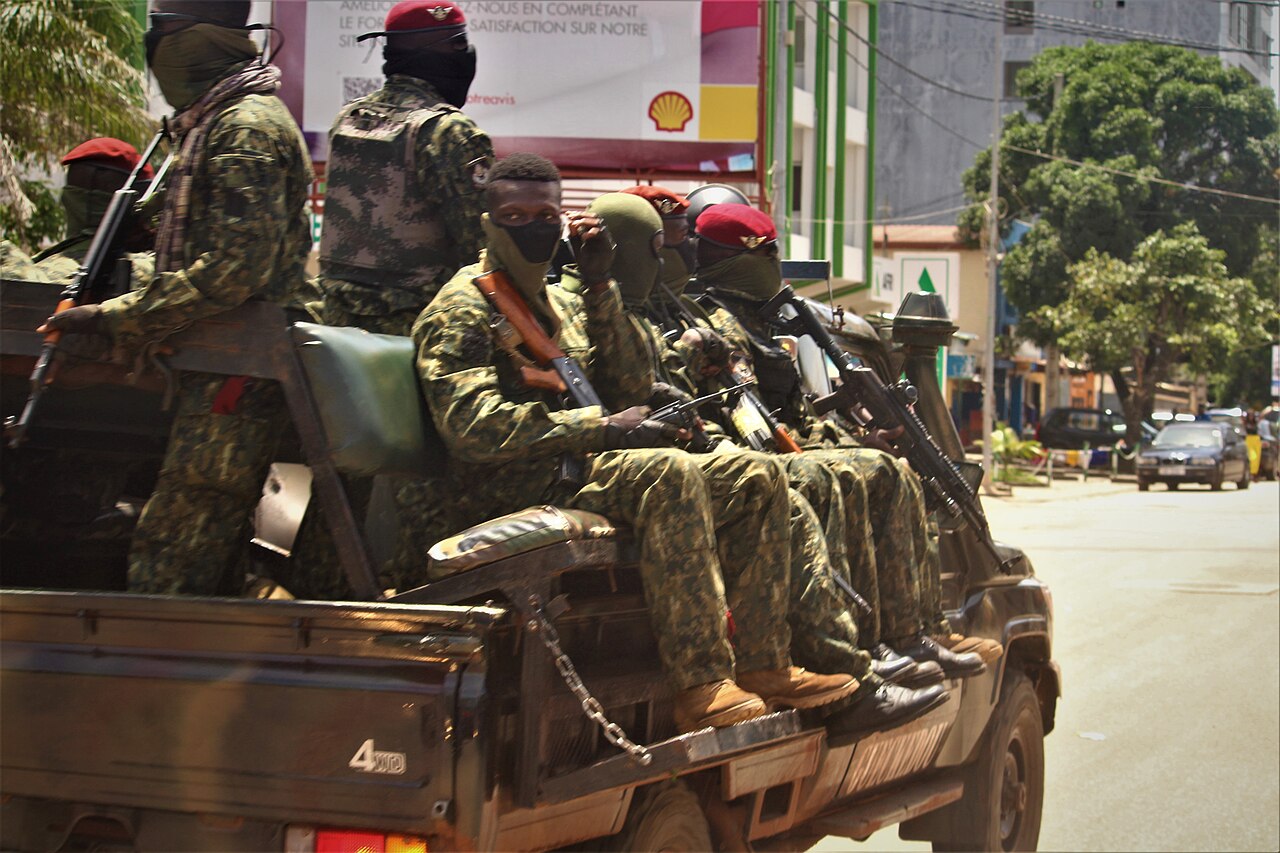
Security Force Assistance (SFA) delivered to fragile states where external and national actors share a common enemy aims to reinforce the national military and security actors more broadly. Such assistance can alter not only the power balance between the security forces and the identified enemy, but also between the security forces and the political authorities. In some instances, the civil–military balance is completely overturned, and the military takes power from the civilian leaders in a coup.
The African continent has experienced a new wave of coups between 2020 and 2024, with sixteen coup attempts and nine successful coups, which begs the question of why and how these have taken place. This article does not claim that there is a direct causality between SFA and the occurrence of coups in fragile states (see Savage and Caverley 2017), yet it does argue that extensive SA can play a role in the reordering of power between both security actors themselves and between civilian and military actors, which can alter the civil–military balance (Wilén 2024).
This paper was first published in The International Studies Review, Volume 28, entitled “Security Assistance and the Crisis of the Liberal International Order”, and the full text can be read there.
(Photo credit: Wikimedia Commons)