
The End of “Returning to the Past”: Trump in China and Lessons for Europe
- Asia-Pacific,
- China,
- EU and strategic partners,
- EU strategy and foreign policy,
- Europe in the World,
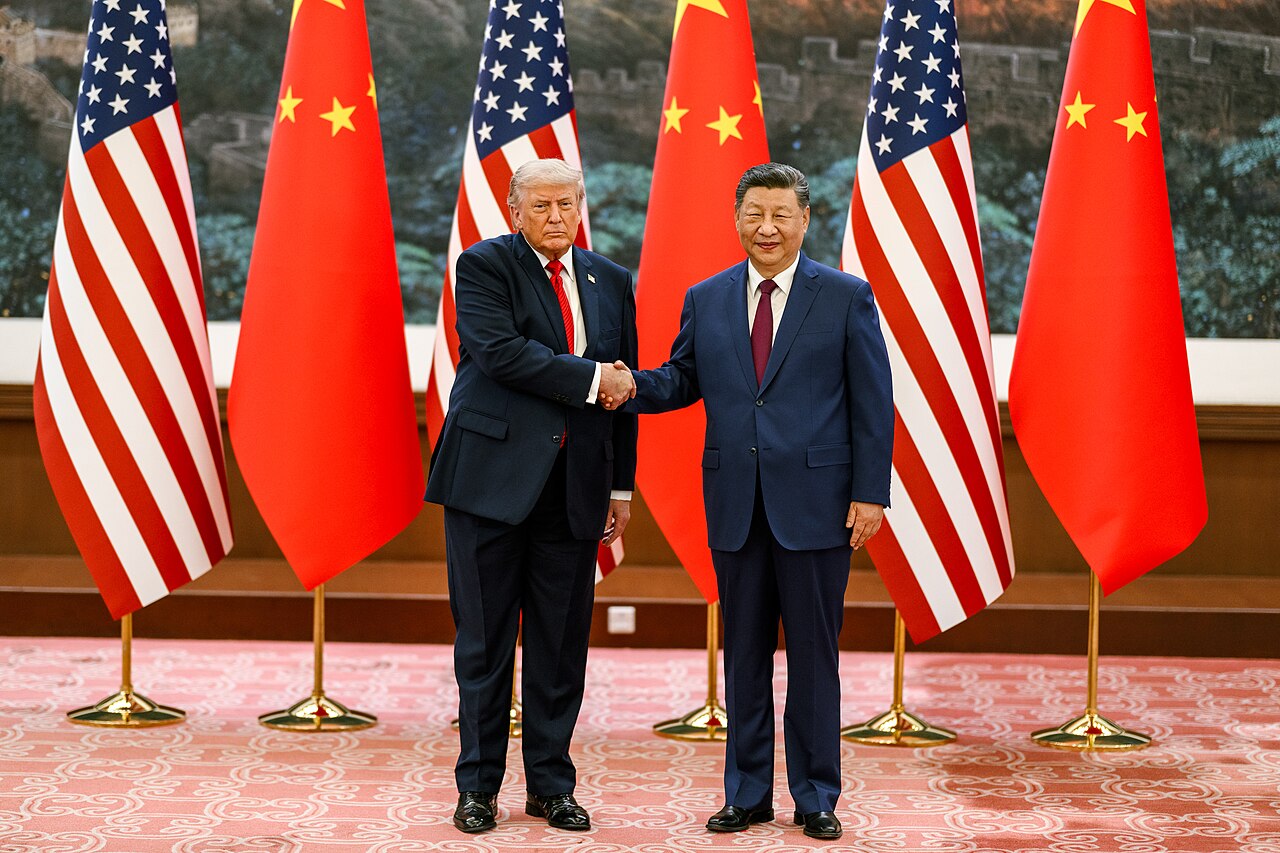
From 13 to 15 May 2026, US President Donald Trump paid a state visit to China. It was his second state visit to the country after his 2017 trip, and the first of his second presidency. Trump received a notably warmer welcome than nine years earlier: Chinese Vice-President Han Zheng personally greeted him on arrival, a clear upgrade from 2017, when he was met by ‘mere’ State Councilor Yang Jiechi. Following an elaborate state banquet on 14 May, complete with a rendition of Trump’s beloved YMCA, he was granted the rare privilege of visiting Zhongnanhai, the political heart of both the Chinese government and the Chinese Communist Party (CCP). Yet beneath the cordial atmosphere and seemingly unprecedented US concessions concerning Taiwan, a new reality of ‘managed rivalry’ in Sino-American relations was evident. After all the good vibes, this ‘new normal’ was perhaps best illustrated by Russian President Vladimir Putin’s arrival in Beijing less than a week later.
Trump’s 2026 visit to China also carried important lessons for Europe. Beijing has evidently accepted that Sino-US relations cannot return to the optimism of the pre-Trump era and is instead seeking a more predictable form of managed rivalry built around red lines. This policy brief argues that Europe should draw similar conclusions. Rather than attempting to revive a relationship that no longer exists, Brussels and Beijing should focus on establishing clearer rules of engagement, including on difficult issues such as Taiwan without allowing them to dominate the broader relationship (i.e., preventing another ‘Xinjiang 2021’); developing a new compartmentalized agenda beyond the now-defunct Comprehensive Agreement on Investment (CAI); and preserving crucial societal ties that can prevent rivalry from stifling pragmatic modes of cooperation.
(Photo credit: Wikimedia Commons, © The White House)