
Belgium’s EU Decision-Making Process: From Anticipation to Strategic Coordination
In
Belgium has long been recognised as a committed and experienced actor in European integration. Its federal structure, administrative expertise, and strong presence in Brussels have traditionally enabled the country to participate actively in European Union decision-making processes.
*******
Belgium’s EU Decision-Making Process: From Anticipation to Strategic Coordination
Introduction
Belgium has long been recognised as a committed and experienced actor in European integration. Its federal structure, administrative expertise, and strong presence in Brussels have traditionally enabled the country to participate actively in European Union decision-making processes. Yet, the increasing complexity of EU governance, the acceleration of policy cycles, and the growing geopolitical and economic pressures facing the Union have exposed structural limitations in Belgium’s capacity to anticipate developments and to act strategically in shaping European outcomes.
Two interrelated challenges have become particularly visible in recent years. The first concerns the need to strengthen anticipatory capacities — the ability to identify emerging initiatives at an early stage and to position national actors upstream in the policy process. The second relates to the coordination of Belgian positions, which remains too often reactive, politically driven, and oriented towards short-term compromise rather than long-term strategic influence.
These challenges are not new, but they have become more pressing in a context where influence in the European Union increasingly depends on early engagement, coalition-building, and the capacity to mobilise expertise across levels of governance. Addressing them requires not only procedural improvements, but also a cultural shift towards a more strategic and forward-looking approach to European affairs.
Strengthening Anticipation: Progress and Remaining Gaps
Since the Belgian Presidency of the Council of the European Union, significant progress has been made in strengthening anticipatory capacities within the Belgian administration. New instruments and practices have been developed to improve early awareness of forthcoming initiatives and to structure the preparation of national positions.
In particular, the introduction of scanning tools, forward-looking exercises, and coordination instruments such as thematic matrices and shared monitoring platforms has enhanced the capacity of administrations to identify developments at an earlier stage. These initiatives represent an important step towards a more structured and timely engagement in EU decision-making and respond in large measure to operational recommendations that have been formulated in recent years.
However, the effectiveness of anticipatory mechanisms still depends on their consistent and systematic use. Horizon scanning and foresight activities are not yet fully embedded in routine administrative practice, and their results are sometimes insufficiently translated into concrete strategic positioning.
Several areas for improvement can therefore be identified.
First, anticipatory work should begin at a sufficiently early stage of the policy cycle and should systematically involve external expertise where appropriate. The integration of academic and sectoral knowledge can enhance the quality of analysis and support more informed decision-making.
Second, responsibility for the preparation of major European dossiers should be clearly assigned to a lead authority or “pilot”, capable of ensuring continuity, coherence, and ownership throughout the process.
Third, anticipatory action should include a structured analysis of potential alliances among Member States. Influence in the European Union rarely results from isolated national positions; it depends on the capacity to identify partners, understand their interests, and build coalitions at an early stage. In this regard, the mobilisation of diplomatic posts, permanent representation staff, and regional services remains an essential but underused resource.
Finally, anticipatory initiatives require flexible and operational steering from the central coordination level. Strategic direction should be provided early enough to guide administrative action while allowing sufficient room for adaptation as negotiations evolve.
The Coordination Challenge: A Structural Constraint
While progress has been made in strengthening anticipation, the coordination of Belgian positions remains affected by persistent political and institutional constraints. Abstentions, delays in defining national positions, and insufficient alignment between technical and political levels continue to occur in sensitive dossiers.
These difficulties reflect the complex distribution of competences within Belgium’s federal system, but they also reveal a broader challenge: the tendency to prioritise immediate political compromise over strategic positioning. Coordination mechanisms are often activated late in the process, when room for manoeuvre has already narrowed and the scope for influence has diminished.
The result is a reactive approach to European decision-making, characterised by defensive negotiation rather than proactive agenda-setting. Such an approach may ensure formal participation in EU processes, but it limits the country’s capacity to shape outcomes in line with long-term national interests.
It is important to recognise that anticipation and coordination are mutually dependent. Anticipatory mechanisms cannot deliver their full potential if the coordination process remains slow, fragmented, or excessively politicised. Conversely, effective coordination requires reliable anticipatory information and a shared understanding of strategic priorities.
In this sense, the challenge facing Belgium is not merely technical, but cultural and organisational. It concerns the capacity to move from a logic of management to a logic of strategy.
Towards a More Strategic Approach to EU Decision-Making
Addressing these challenges requires a coherent set of reforms aimed at strengthening both anticipatory capacities and coordination mechanisms.
A first priority is to consolidate a culture of anticipation within the administration. This involves integrating horizon scanning and foresight into routine decision-making processes, ensuring that early signals are systematically analysed and translated into operational guidance.
A second priority is to clarify responsibilities and strengthen leadership in the preparation of European dossiers. The designation of a lead authority for each major initiative can enhance accountability and facilitate coordination across administrative levels.
A third priority is to develop a more systematic approach to alliance-building within the European Union. Mapping the positions of Member States, identifying potential partners, and engaging in early diplomatic outreach should become standard practice rather than ad hoc initiatives.
A fourth priority is to reinforce the operational capacity of the central coordination function. This requires not only adequate resources, but also the authority to steer initiatives proactively and to ensure timely decision-making.
Finally, political leadership remains essential. Strategic coordination cannot be achieved through administrative procedures alone; it requires sustained political commitment to long-term objectives and a willingness to invest in anticipatory governance.
Conclusion
Belgium possesses the institutional experience, administrative expertise, and diplomatic networks necessary to play an influential role in European decision-making. The progress achieved in recent years in strengthening anticipatory capacities demonstrates the administration’s ability to adapt to changing circumstances.
Yet, the persistence of coordination challenges highlights the need for further action. Without timely decision-making, clear strategic direction, and effective mobilisation of national resources, anticipatory tools alone cannot guarantee influence.
The central question is therefore not whether Belgium participates in European decision-making — it clearly does — but whether it does so in a manner that maximises its capacity to shape outcomes.
Moving from participation to influence requires a sustained commitment to anticipation, coordination, and strategic leadership. It also requires a shared understanding that influence in the European Union is not the result of institutional presence alone, but of timely preparation, coherent action, and strategic vision.
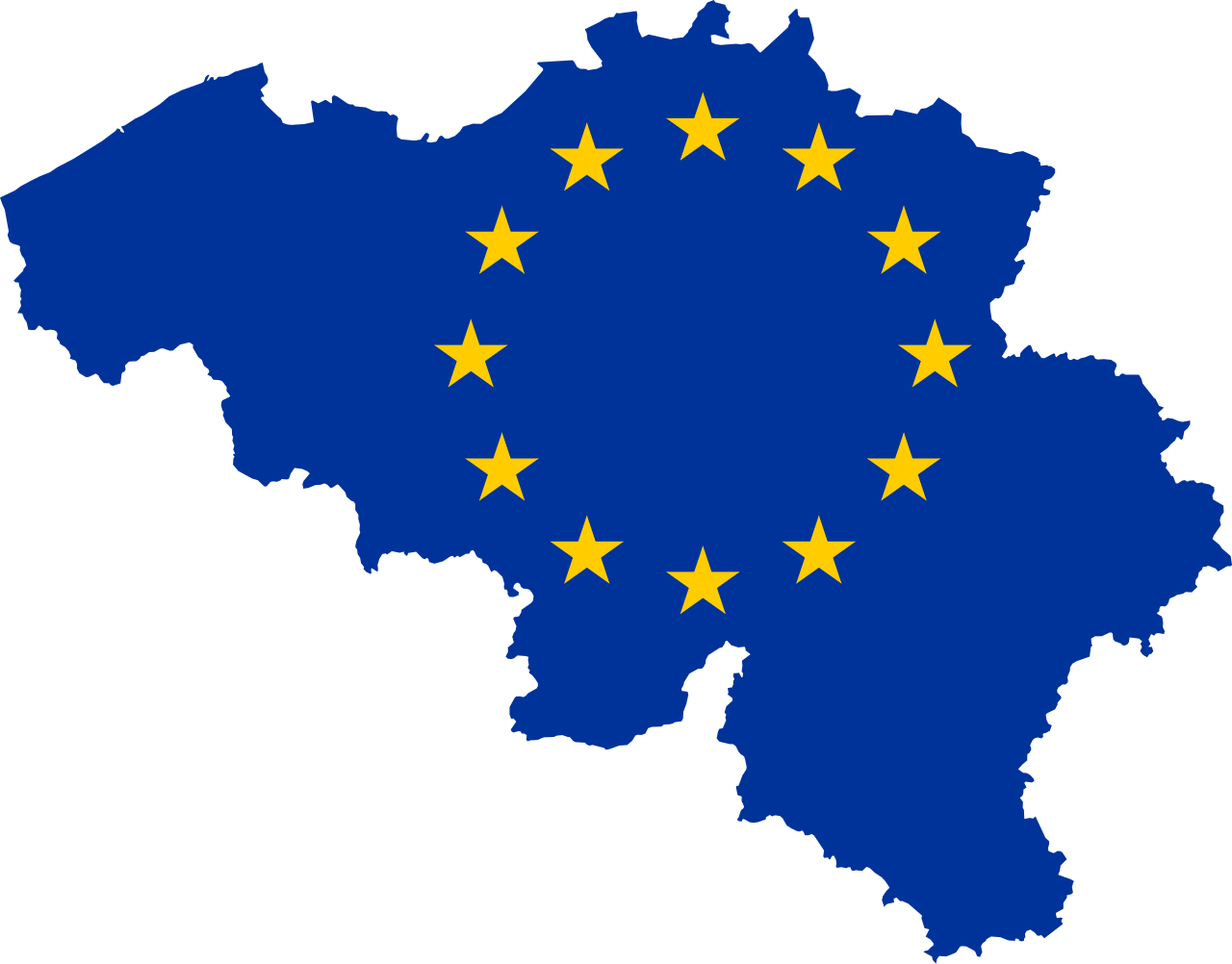
(Photo credit: Wikimedia Commons)